



If you’ve already grabbed my guide, Make Videos That Stick and Sell, you’ve started to realize that the difference between a video that gets ignored and one that converts isn’t the price of your gear. It’s the intentionality behind your choices.
Most people think making a “good” video is about high-resolution pixels or fancy transitions. But as a former TV producer, I can tell you that “pretty” doesn’t pay the bills. What pays is your ability to lead an audience, and that starts with understanding how to command the screen.
Why You Must Shape Perception in Your Videos
The truth is, your audience decides whether or not you are an authority before you even finish your first sentence. They aren’t just listening to your words; they are subconsciously “reading” everything else.
If your video feels passive, distant, or cluttered, the viewer’s brain categorizes it as “white noise” and scrolls past. To move someone from a random viewer to a loyal client, you have to break that hypnotic scroll. You do this by using Visual Influence to intentionally shape how they perceive you. When you control the visual narrative, you stop “hoping” for engagement and start directing it.
How I Use Visual Influence in My Own Content
Recording shouldn’t wait for a “perfect” studio setup. Visual Influence makes it possible to turn any environment—from a home office to the driver’s seat of a car—into a space of authority. Success comes from focusing on the frame, movement, and a deliberate eye line that builds a direct connection with the audience. Instead of simply “talking at” a camera, these techniques direct an experience that places the viewer in a 1-on-1 conversation with a trusted expert.
Here are the three fundamental ways you can start shifting perception in your own videos today.
1. Master “Psychological Proximity”
In TV production, we use specific shot sizes to tell the audience exactly how to feel. A wide shot feels objective and distant—think of a news anchor or a lecturer. A close-up feels intimate and urgent.
Most entrepreneurs make the mistake of sitting too far back. When you leave massive amounts of “dead space” around your head, your message feels small and physically disconnected from the viewer. From a Visual Influence perspective, this creates a “Lecture Gap.” It signals to the viewer that you are a distant observer rather than an active guide.
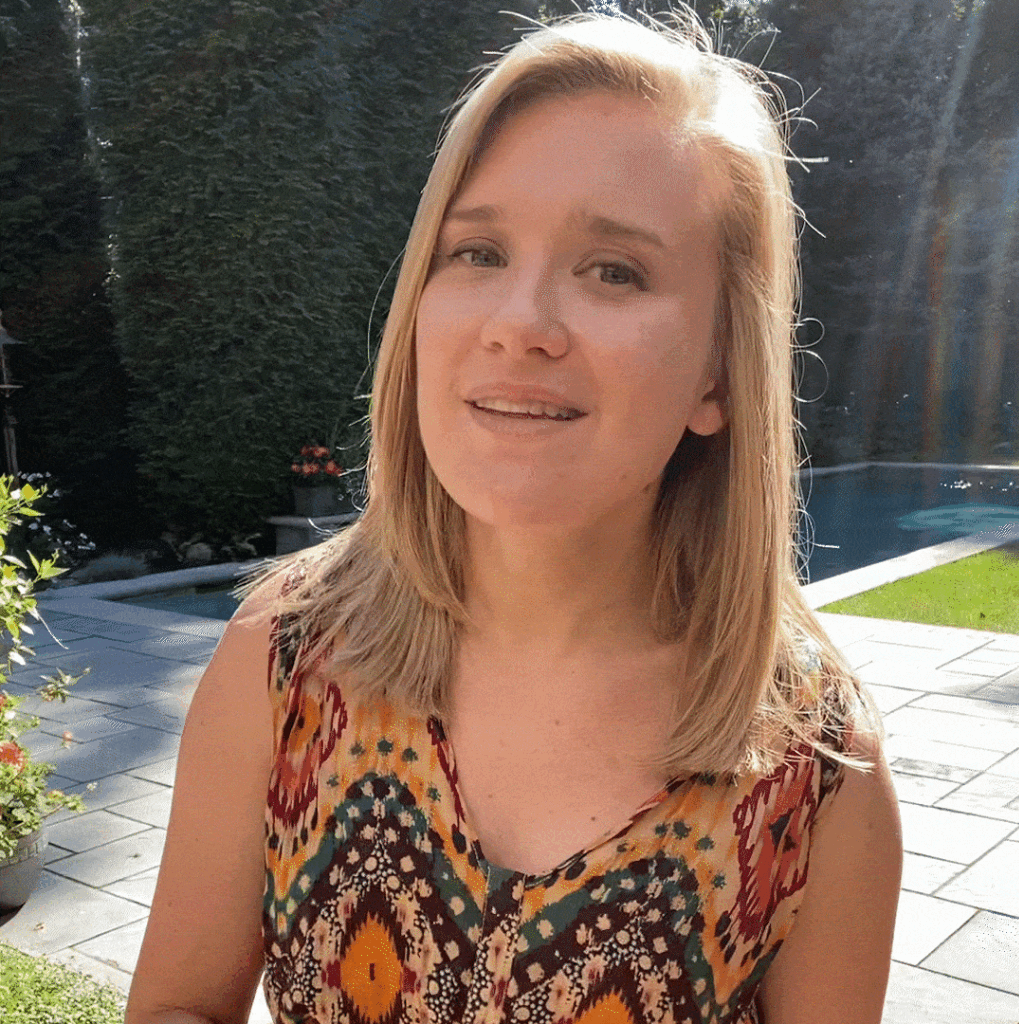
Watch how the energy shifts as I move closer: by filling the frame, I remove distractions to command your full attention. Notice the difference when I back away—the more background you see, the more “Psychological Distance” I create. You move from being in the conversation to simply observing it.
Most creators overlook how much their framing dictates their Visual Influence. Shot sizes aren’t just about what “looks good”—they act as a psychological dial for your authority. When you use a wider shot, you provide context, but you also invite the viewer to get distracted by your environment. By mastering the transition between these distances, you control exactly how much “access” the viewer has to your message. If you need help understanding shot sizes and how they impact your authority, you can read the full breakdown in this blog post or look at the graphic below.
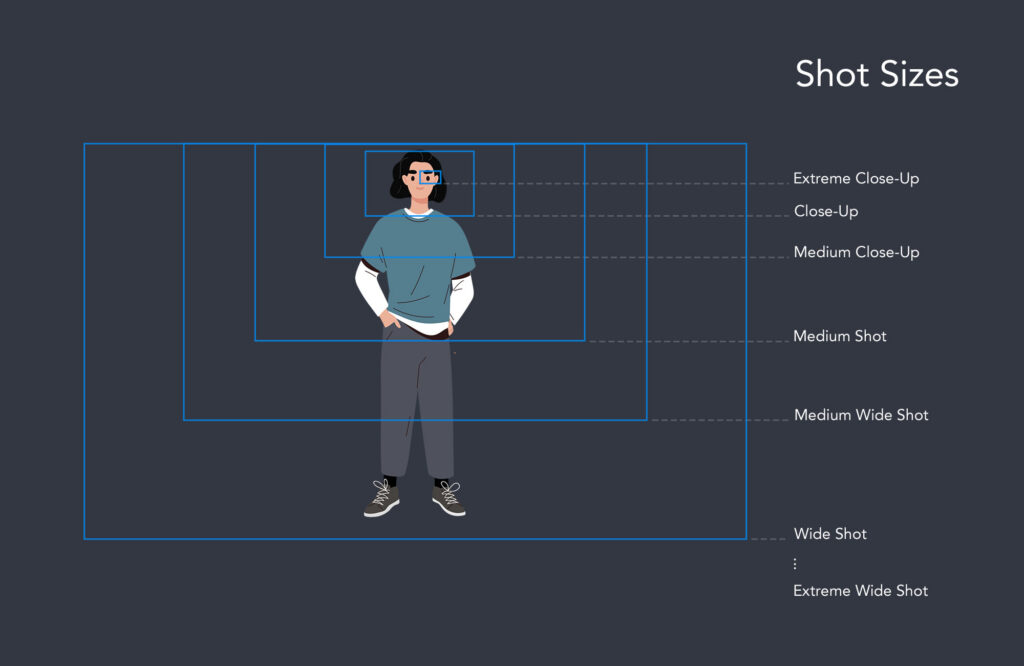
The Shift: Use The Authority Crop. By simply moving closer to the lens, you occupy more of the frame and command the viewer’s immediate attention. This proximity triggers a psychological response: it closes the gap between the screen and the person watching. Instead of feeling like a lecturer at the front of a cold auditorium, you feel like a mentor sitting directly across a coffee table. When you own the space in the frame, you own the authority in the conversation.
2. Implement “Visual Pacing”
Many creators mistake “pacing” for fast cuts and flashing captions. In reality, pacing is about managing the viewer’s focus so they don’t look away. In an era where digital attention spans are rapidly shifting, you cannot afford to be static.
If you stand perfectly still and speak with a flat tone, the human brain eventually tunes you out. It’s an evolutionary response called “habituation”—we ignore things that don’t move or change because the brain no longer perceives them as a priority. To maintain Visual Influence, you must use your body and your environment to reset the viewer’s attention span constantly.
The Shift: Use intentional hand gestures to “anchor” your key points. Shift your posture or your distance from the camera when you move from describing a problem to offering a solution. These micro-movements act as “visual resets,” forcing the brain to re-engage with you every few seconds.
3. Control the “Expertise Frame”
Your background tells a story whether you intend it to or not. You don’t need a high-end studio, but you must curate what exists within your frame to maintain Visual Influence.
The reason this matters is a principle called Cognitive Load Theory. Your viewer only has a certain amount of “brain power” available to process your video. A cluttered or distracting background forces the viewer’s brain to work overtime. They spend more energy “filtering” the laundry pile, the messy bookshelf, or the high-traffic background than they do processing your advice.
The Shift: When you simplify your frame, you allow your message to take center stage. Create depth by moving away from the wall behind you. Ensure the primary light source hits your eyes so the audience can see your expressions clearly. By reducing the viewer’s cognitive load, you make it easy for them to understand your expertise and, ultimately, to buy from you.
The Future of Your Content
These shifts represent the bridge between simply being seen and actually being sought after by your ideal clients. When you master Visual Influence, you stop being a creator who is at the mercy of an algorithm and start being an authority who directs their own results.
The goal isn’t just to make one “good” video; it’s to create a standard where every piece of content you post reinforces your expertise. By making these three small, purposeful tweaks to your framing, proximity, and pacing, you ensure that your audience doesn’t just scroll past your message—they experience it.
If you are ready to stop guessing and start being intentional with every second you spend on camera, go back and review the core principles in my guide. Use these steps to audit your next few videos and watch how the energy of your community shifts when they finally see you as the expert you are.





Comments +